

You do not come to the Osa Peninsula hoping to maybe spot wildlife. You come because this corner of Costa Rica feels alive from the first humid breath of jungle air – scarlet macaws crossing the sky, monkeys rustling overhead, and the real possibility that your guide will quietly point out a sleeping sloth you would have walked right past. If you are searching for the best wildlife tours Osa has to offer, the right choice depends less on finding one “top” tour and more on matching the experience to the animals, habitat, and pace you want.
The good news is that Osa delivers range. You can watch dolphins from the water in the morning, look for poison dart frogs in the afternoon, and head into the forest after dark to find kinkajous, snakes, and glowing insects. The better news is that local guides know how to turn a walk or boat ride into something unforgettable. In a place this biologically rich, expertise matters.
What makes the best wildlife tours in Osa stand out
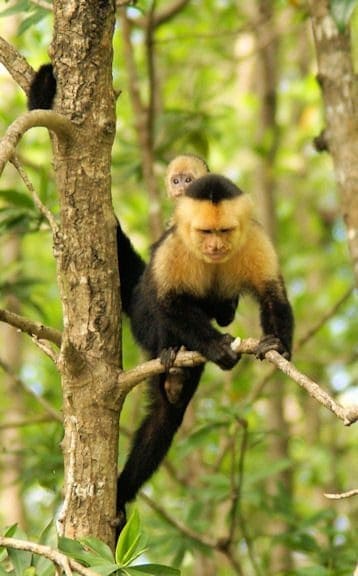
The best tours are not always the longest, most expensive, or most intense. They are the ones led by guides who know the forest by sound as much as sight. A great wildlife guide in Osa notices a tiny movement in the canopy, hears the warning call of a bird, and adjusts the route when conditions change.

That matters because wildlife in Osa is wonderfully unpredictable. A sunrise mangrove tour might bring crocodiles, monkeys, and herons on one day, then more birdlife and fewer mammals the next. A Corcovado hike can feel like a live nature documentary or a quieter immersion in tracks, insects, and forest ecology. Both can be excellent. The trade-off is that no honest operator should promise a checklist of guaranteed sightings.
The strongest tours also keep group size manageable. Smaller groups move more quietly, spend less time waiting, and give everyone a better chance to use the guide’s spotting scope. For photographers and birders, that can make the difference between a rushed look and a real observation.

The wildlife experiences most travelers should consider
Corcovado National Park guided hikes

For many visitors, Corcovado is the headline experience, and for good reason. This is where Osa feels at its wildest. Guided hikes into the park are often the best fit for travelers who want the classic rainforest wildlife experience – monkeys, coatis, scarlet macaws, tapir if luck is on your side, and an astonishing number of birds, insects, and reptiles.
Not every Corcovado outing is the same. Some tours focus on day trips from places like Drake Bay or Puerto Jimenez, while others are more ambitious and involve longer hiking distances or overnight logistics. If you are fit, curious, and happy in heat and humidity, this can be the most rewarding option. If you prefer a gentler pace, choose a route and operator that emphasize interpretation over mileage.
What makes these tours special is the depth of the habitat itself. You are not just looking for animals. You are moving through one of the most biodiverse lowland rainforests on Earth, where every sound seems to mean something.
Mangrove and river wildlife boat tours
If you want strong wildlife potential without a long jungle hike, boat-based tours are one of the smartest choices. They are especially good for families, mixed-age groups, and travelers who want to cover more habitat with less physical strain.
The mangroves and river systems around Osa are packed with life. Depending on location and tide, you may see crocodiles, basilisk lizards, monkeys, kingfishers, herons, egrets, and sometimes even sloths near the water’s edge. The feeling is different from hiking Corcovado. It is quieter in some ways, more open in others, and often excellent for birdwatching.
These tours are also a great backup when trail conditions are muddy or when someone in your group wants wildlife without a demanding trek. The trade-off is that you are less immersed in the deep forest, so if your dream is a true jungle walk, a boat safari should complement that experience, not replace it.
Night walks in the rainforest
Daytime Osa is only half the story. After sunset, the forest changes personality completely. Frogs begin calling, insects get louder, eyeshine appears in the darkness, and species you would never see at noon start to move.
A good night walk is one of the best wildlife tours Osa visitors can add to their itinerary because it reveals a different layer of biodiversity. Tree frogs, spiders, sleeping birds, snakes, and small mammals all become possible sightings. For travelers who love close observation and a bit of thrill, this can be a highlight.
It helps to arrive with the right expectations. You will not cover huge distances, and this is not about dramatic scenery. It is about slowing down, scanning leaves and branches with flashlights, and appreciating just how active the forest becomes after dark.
Birdwatching tours

Osa is a dream for bird lovers, but even casual travelers can get hooked quickly here. Scarlet macaws often steal the show, yet they are only part of the story. Toucans, trogons, hummingbirds, motmots, manakins, and a long list of shore and wetland birds make guided birding tours worth considering even if you do not consider yourself a birder yet.
What sets bird-focused tours apart is timing and precision. Early mornings matter. Habitat selection matters. And a guide who can identify calls and anticipate movement is incredibly valuable. If birds are a high priority, book a dedicated birdwatching tour rather than assuming a general wildlife hike will deliver the same results.
Dolphin and whale watching tours
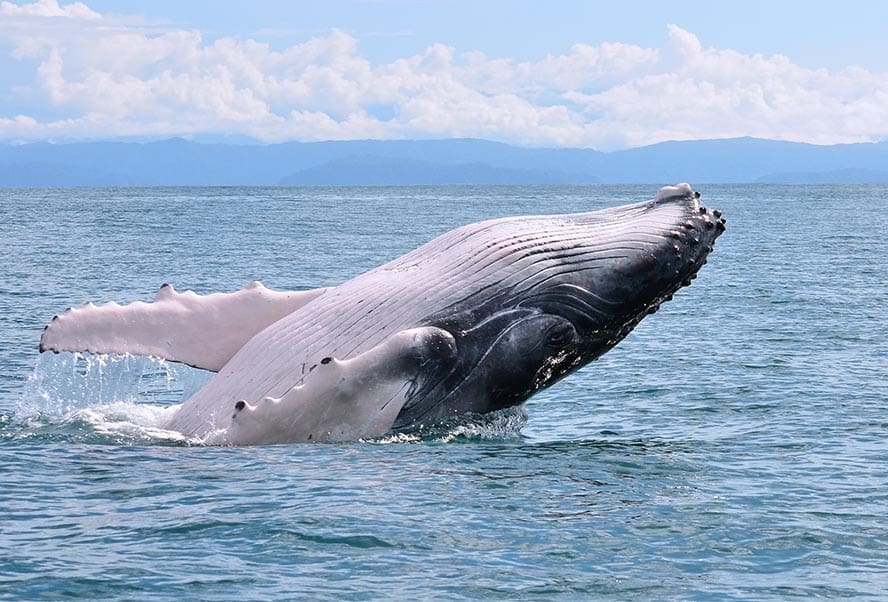
Wildlife in Osa is not limited to the rainforest. Marine tours add another dimension entirely, especially during whale migration seasons. Dolphins are often seen year-round in local waters, while humpback whale sightings depend more on timing.
These tours are ideal for travelers who want a broader view of the region’s ecosystems and a break from the trails. Conditions matter more here than on land. Weather, swell, and season all affect what you see and how comfortable the ride feels. If anyone in your group is prone to motion sickness, plan accordingly.
How to choose the best wildlife tours Osa offers for your trip
Start with your priorities, not with a generic bestseller list. If your dream is seeing as many species as possible, combine habitats – one rainforest hike, one boat tour, and one night walk will usually give you a richer experience than repeating the same type of outing. If you are a photographer, ask about light conditions, group size, and whether the guide carries a spotting scope. If you are traveling with kids or older adults, ask about trail difficulty, heat exposure, boat boarding, and restroom access.
Season also changes the feel of a tour. Green season can be lush, dramatic, and incredibly rewarding, with fewer crowds and vibrant forest life, but trails may be muddier and logistics a bit less predictable. Drier months can make access easier, though wildlife sightings still depend on time of day, habitat, and guide skill more than simple weather patterns.
It is also worth asking how much walking is really involved. Some tours are described casually and turn out to be physically demanding in tropical heat. Others are marketed as wildlife tours but are better understood as scenic outings with occasional animal sightings. Clear communication helps you avoid disappointment.
Why booking local makes a difference
On the Osa Peninsula, local knowledge is not a nice extra. It is the experience. The guides and operators based here understand animal behavior, tides, weather shifts, seasonal changes, and the practical details that shape your day. Booking directly with local businesses also gives you clearer communication and a more personal planning process.
That is one reason travelers use platforms like Osapeninsulacostaricaapp – to browse local tour providers in one place and connect directly with businesses across the region instead of getting funneled through big third-party booking sites. For independent travelers, that direct access can make planning feel a lot more grounded and a lot less generic.
A few smart expectations before you go
Bring patience. Wildlife watching in Osa is exciting because it is real, not staged. Some sightings happen in a flash. Others require ten quiet minutes of waiting while your guide studies the canopy. Wear lightweight clothes, expect humidity, protect your gear from rain, and do not underestimate how useful a decent pair of binoculars can be.
Most of all, leave room in your schedule. The best wildlife experiences here often come from not rushing – taking the early boat, choosing the sunrise hike, staying still a little longer at the edge of a clearing. Osa has a way of rewarding attention.
If you choose your tours well, you will come home with more than photos. You will remember the sound of the forest at dawn, the shock of bright feathers overhead, and that quiet moment when your guide lifts a hand and everyone goes still because something wild is just ahead.
Leave a Reply