
The Osa Peninsula, wild and wonderful, is one of the most remarkable places in Costa Rica. It is wild, beautiful, and still feels wonderfully unhurried. The peninsula covers roughly 700 square miles, while Costa Rica covers approximately 19,700 square miles. That means the Osa Peninsula represents only a small part of the country, yet it contains an extraordinary amount of Costa Rica’s natural life.
The Osa is often described as home to around half of Costa Rica’s bird species. When you spend time here, that number does not seem difficult to believe. Birds are everywhere: flying above the roads, calling from the trees, feeding along the beaches, and waking people up before sunrise. Scarlet Macaws, toucans, parrots, herons, kingfishers, Amazon parrots, and many other birds are part of everyday life.

The Osa Peninsula is also home to Corcovado National Park, one of the most important protected areas in Costa Rica. Corcovado is often called one of the most biologically intense places on Earth. A commonly repeated statistic is that approximately 2.5 percent of the world’s biodiversity can be found within this relatively small area. Whether you are walking through the rainforest, sitting beside the ocean, or looking up into the canopy, it is easy to understand why the park has earned such a powerful reputation.
But the Osa Peninsula is more than statistics, national parks, and wildlife lists. It is also a place where life moves at a different pace. The atmosphere is laid-back, the mornings begin early, and people generally seem to enjoy the lives they have built here. There is always work to do, but there is also time to sit, talk, drink coffee, watch the water, and enjoy the day.
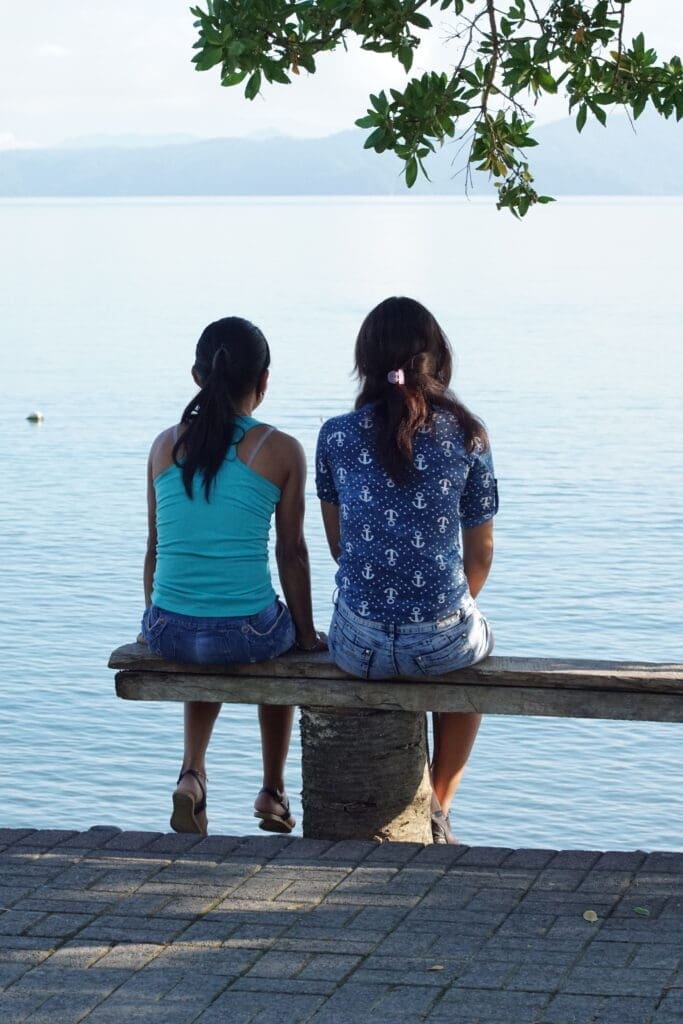
That is the spirit of the Osa Peninsula. Pura vida.
A Place Where Nature Comes First
The first thing many visitors notice about the Osa Peninsula is how close nature feels. In other places, you may need to travel to a national park or take a special tour to see wildlife. On the Osa, nature is often right outside your door.

You may see monkeys crossing the trees above a road, scarlet macaws feeding in a beach almond tree, or a sloth resting high in the branches. Along the coast, pelicans and other seabirds move over the water. In the rainforest, every sound seems to have a source, even when you cannot see it.
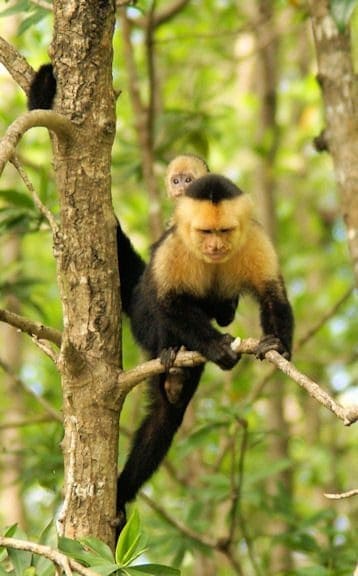
The Osa is covered by rainforest, rivers, mangroves, beaches, and rugged coastline. Roads can be rough, schedules can change, and some destinations require a boat ride or a four-wheel-drive vehicle. That is part of the adventure. The peninsula rewards patience and gives visitors a chance to experience a part of Costa Rica that remains closely connected to the natural world.
Corcovado National Park

Corcovado National Park is the heart of the wild Osa Peninsula. The park protects lowland rainforest, rivers, mangrove areas, beaches, and coastal waters.
Inside Corcovado, visitors may encounter scarlet macaws, toucans, monkeys, tapirs, peccaries, crocodiles, and, with great luck, one of the larger wild cats that live in the region. Seeing wildlife is never guaranteed. This is not a zoo, and the animals do not follow a schedule. That uncertainty is part of what makes the experience so exciting.
A walk through Corcovado can feel intense from the beginning. Insects buzz, birds call, monkeys communicate from the treetops, and the rainforest seems to move around you. The heat and humidity can make even a short walk demanding, so visitors should bring water, wear suitable footwear, and listen carefully to their guide.
Many people visit Corcovado as part of an organized tour. A knowledgeable guide can help identify animals, explain the forest, and make the experience more meaningful. Corcovado deserves respect. Visitors should follow park rules, avoid disturbing wildlife, carry out their rubbish, and remember that the forest belongs to the animals.
Drake Bay: A Wilder Experience
Drake Bay offers a different experience from Puerto Jiménez. It feels more secluded, more remote, and closer to the wild side of the Osa Peninsula.

Drake Bay does not have the same level of everyday convenience found in Puerto Jiménez. There are no large banks and no big grocery stores. Shopping and services are more limited, so visitors should plan ahead. Depending on where you stay, you may be surrounded by rainforest, beaches, and long stretches of quiet coastline.
For many travelers, this is exactly what they want. Drake Bay is a place where you can disconnect from the busy world and spend more time listening to the ocean, walking through the forest, or watching the sunset.
Some of the most secluded beaches are best reached by boat. The boat journey itself becomes part of the adventure. You travel along the coast, passing forest-covered hills, rocky outcrops, and beaches that may be difficult or impossible to reach by road.
Drake Bay also has an approximately eight-mile hiking trail that gives visitors a chance to explore the coastline on foot. The trail can be challenging in places, especially in hot and humid conditions, but the scenery makes the effort worthwhile. Good walking shoes, water, insect protection, and patience are important.
Puerto Jiménez: The Practical Beach Town

Puerto Jiménez is the largest town on the Osa Peninsula and is more convenient for everyday life. It is still small and relaxed, but it has many of the practical things visitors may need.
Puerto Jiménez has banks, grocery stores, restaurants, hotels, hostels, and public transportation. You can walk around much of the town, buy supplies, arrange tours, eat a good meal, and find a place to relax beside the water.
The town is located along the coast of Golfo Dulce. The waterfront is one of the best places to enjoy the slower rhythm of Osa life. Boats come and go, local people carry on with their daily activities, and visitors sit watching the water. The mornings can be busy, but by the hottest part of the afternoon, the pace often becomes slower.
Puerto Jiménez is also one of the main gateways to Corcovado National Park. From town, visitors can arrange transportation and tours into the park. It is a useful base for exploring the peninsula while still offering enough comfort for travelers who do not want to be completely isolated.
The Smaller Barrios of the Osa Peninsula
Away from the tourist towns, the Osa Peninsula becomes even quieter. Places such as Agujas, Sandalo, Bamboo, La Cuna, and Playa Blanca offer a different experience from Puerto Jiménez and Drake Bay. These smaller barrios are places where life slows down even more and where visitors can see how many local families live day by day.
Bamboo
Bamboo is a small barrio 3 min by car outside of Puerto Jimenez, you can also take the local bus. There are houses to rent for the price of a good hotel. Having your own house, in my opinion, is much nicer. You can cook your own food , which will save you money. Sometimes you just do not want to get all dressed up to go out to dinner. Bamboo has three pulperias;
The pulperia
A pulperia is a small family store where you can find almost everything you will need, including food and let’s not forget Costa Rican coffee.
Sandalo
Sandalo is the next small barrio going out of Puerto Jimenez. At this time in my life it is where i call home. It is quiet every day. Everyone goes to work everyday and comes home in the afternoon. children paly in the streets; dogs lay on the roads, soaking up the heat from the sun.
In the mornings, you can hear Latin music coming from a neighbor. The Amazon parrots wake up at daybreak, flying in the hundreds. In the distance, you can hear the howler monkeys from Sandalo Beach. My neighbor gave me some fresh ceviche yesterday; yes, it was delicious. Sandalo Beach is only 5 min away. Alaska is my german shepard dog; she loves going to the beach. There is a pulperia for anything you need. Everyone knows you. I am one of the few foreigners living in Sandalo. They have accepted me as part of the family.

Agujas
Agujas is the next small barrio. At one time I lived there. It is a smaller barrio with all the charm of living with the locals. Food is shared with your neighbors. There is a big soccer field. The children love to play soccer, and there is a new playground. There is a small pulperia. Very friendly locals.
La Cuna
La Cuna is a beach road, with houses on each side of the road. They have two restaurants. The restaurant on the beach has a great supreme pizza for only $14.00. All their food is delicious. I lived there for 4 years in a two-bedroom cabina. Once again, the local people are very friendly. They have a new pulperia.
In the smaller communities, you are not simply passing through a tourist destination. You are living among local people. There may not be large hotels, busy restaurants, or rows of souvenir shops. Instead, you may see simple cement houses, gardens, chickens walking around the yard, and children playing outside.
Some families live in homes provided through Costa Rican government housing programs. In certain cases, these homes may be provided at little or no cost to qualifying families. The details can vary, so visitors should understand that these programs are based on local requirements and individual circumstances.
Life in the smaller barrios is different from life in Puerto Jiménez. There are fewer conveniences, fewer services, and fewer places designed specifically for tourists. That is also what makes the experience interesting. When you stay away from the main tourist areas, you begin to see more of the ordinary routines that make up daily life on the Osa Peninsula.
Food from the Garden
Food in the smaller communities is often simple, fresh, and connected to the land. Rice and beans are an important part of everyday meals. Fresh fruit may come from the garden or from a nearby neighbor. Yuca, also known as cassava, is another common food and can be prepared in several different ways.
Many families grow at least some of their own food. A small garden may include plantains, bananas, herbs, yuca, or other crops suited to the tropical climate. Some families also keep chickens for eggs and meat. Others may have one or two pigs. In a rural community, a garden and a few animals can make an important difference.
There is something special about eating food that has been grown or raised close to where you are staying. A plate of rice and beans, fresh fruit, and yuca can tell you a great deal about the connection between families, food, and the land.
Playa Blanca and the Quiet Coast
Playa Blanca offers the possibility of an even slower experience. Away from the busier towns, the beach, forest, and local homes become the main features of the landscape. The days can be shaped by the weather, the tides, the work that needs to be done, and the time of the next meal.
There may be no reason to hurry. You can walk along the beach, sit beneath a tree, watch birds, or talk with neighbors. In the evening, the darkness can feel deeper because there are fewer lights. The sounds of insects, frogs, and distant waves become part of the night.
Living Among Local Families
Staying in a smaller barrio can teach you things that are difficult to learn from a standard vacation. You see how people organize their homes, prepare meals, care for animals, and help one another.
Neighbors often know each other well. Someone may have extra fruit from a tree, another person may know who can repair a vehicle, and someone else may be able to help when a family needs something. Community connections are important in places where services are not always close by.
This does not mean rural life is always easy. There can be financial challenges, difficult roads, heavy rain, limited employment, and fewer medical or commercial services. The beauty of the Osa should not hide the realities of living here. However, many local people value the peace, family connections, and natural surroundings of their communities.
A Different Kind of Travel
Traveling through the smaller barrios requires respect, patience, and an open mind. Visitors should not expect the same services they would find in Puerto Jiménez. Roads may be rough, public transportation may be limited, and shops may be small or far apart.
These communities are not attractions in the usual sense. They are real places where people work, raise families, grow food, and live their everyday lives. Visitors should ask permission before photographing homes or families. The best experiences usually come through respectful conversations and genuine connections.
All the small barrios have houses that you can rent. The best place to find them is on Airbnb or House to Rent. Living with locals gives you a deep understanding of the true Costa Rica
The People and the Pura Vida Feeling
The Osa Peninsula is not only special because of its forests and beaches. The people make the experience special as well. Many local residents have a strong connection to the land and the sea.
The mornings are often the most active time of day. People begin work early to take advantage of cooler temperatures. Bakers prepare bread, restaurants begin serving breakfast, boats leave the shore, and birds fill the trees with sound.
A good Osa morning might begin with Costa Rican coffee and a plate of gallo pinto at a small local restaurant. After breakfast, you could walk toward the beach, watch the boats, and listen for scarlet macaws in the trees. There is no need to rush. The day is waiting.


That is the Pura Vida feeling: appreciate what you have, enjoy the people around you, and make time for the simple things.
Choosing Where to Stay
Drake Bay is better for travelers looking for seclusion, nature, boat transportation, quiet beaches, and a more remote atmosphere. Puerto Jiménez is better for travelers who want banks, grocery stores, restaurants, hotels, and public transportation. The smaller barrios are for travelers who want to slow down even more and experience everyday rural life, with fewer services and more direct contact with local communities.
All of these places offer a different window into the Osa Peninsula. None is better than the others. The right choice depends on the kind of experience you want.
Final Thoughts
The Osa Peninsula is one of those places that stays with you. You may remember scarlet macaws flying above the road, the calm waters of Golfo Dulce, a boat ride along the coast, or the sound of rain falling on the rainforest roof.
You may remember walking along a quiet beach, sharing breakfast in a small soda, or sitting in Puerto Jiménez while the town slowly came to life. You may remember the rough roads, changing weather, and the fact that not everything happened according to schedule. Those things become part of the story.
The Osa Peninsula is not polished or predictable, and that is precisely why it is so special. It offers Corcovado National Park, incredible biodiversity, beautiful beaches, tropical forests, wildlife, Drake Bay, Puerto Jiménez, and the smaller barrios where life slows down.
Most of all, it offers time: time to walk, time to watch, time to talk, and time to enjoy the life around you. The Osa Peninsula is wild, welcoming, and unforgettable.
Pura vida.
Leave a Reply