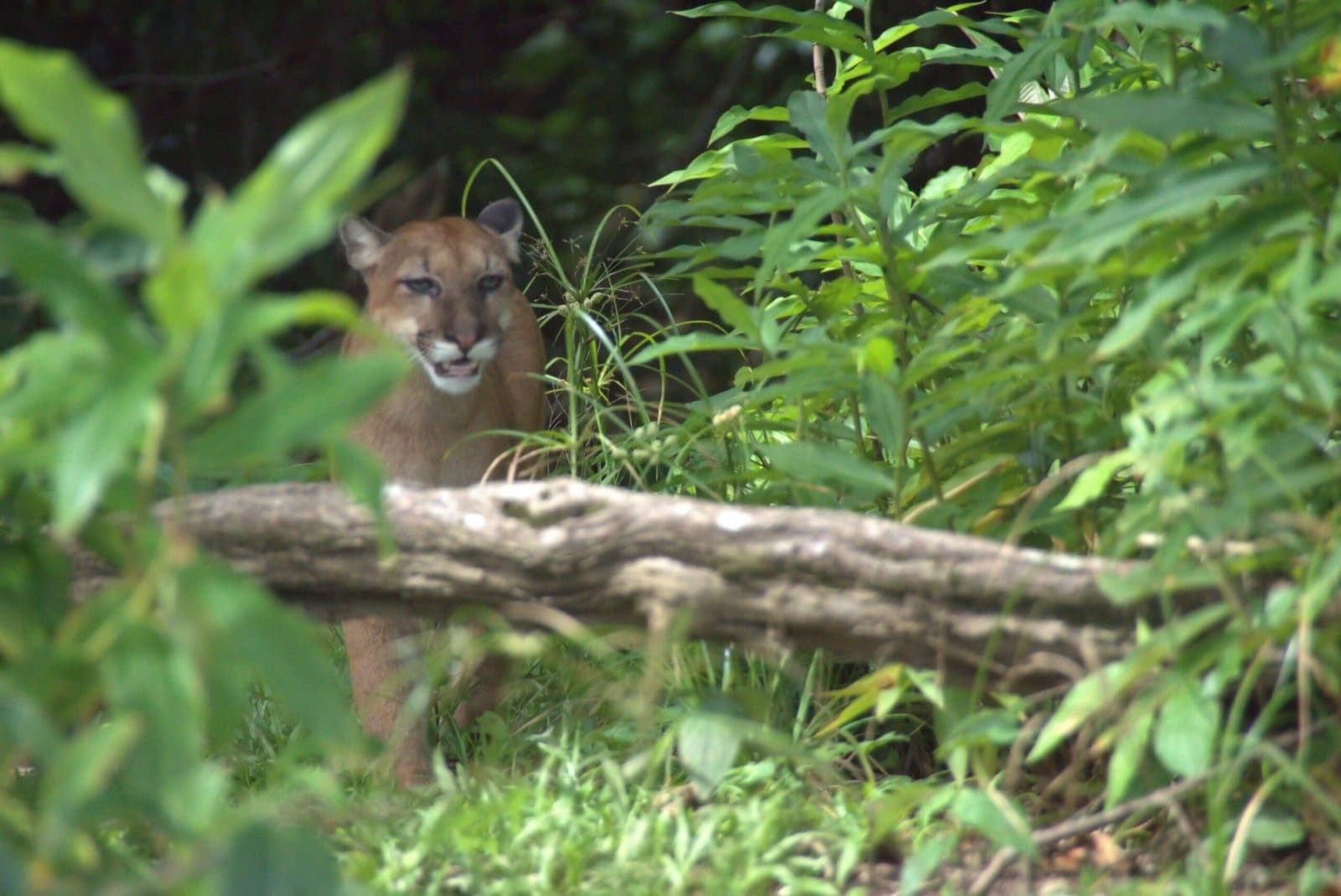
If you wake up before sunrise in Drake Bay or Puerto Jiménez and hear howler monkeys rolling through the trees, you understand something fast – Corcovado is not the kind of place you squeeze into a casual afternoon. Corcovado National Park tours are the main way most travelers experience this wild corner of the Osa Peninsula, and choosing the right one can shape your entire trip.
Some visitors want a one-day wildlife rush with tapirs, scarlet macaws, and four species of monkeys. Others want to sleep near the park, hike deeper trails, and feel the jungle change from morning mist to night sounds. Both can be incredible. The trick is knowing what kind of experience you actually want before you book.
Why Corcovado National Park tours need planning
Corcovado is one of the most biologically intense places in Costa Rica, but it is also protected, regulated, and physically demanding in ways many first-time visitors do not expect. You cannot just show up and wander in on your own in most cases. Park access is controlled, daily entry is limited, and certified guides are typically required for the main visitor sectors.
That structure is a good thing. It helps protect the rainforest and gives travelers a better chance of seeing wildlife they would miss on their own. A great local guide does more than lead the trail. They spot poison dart frogs the size of a thumbnail, hear a distant troop of spider monkeys before you do, and explain why a muddy footprint might belong to a tapir and not a peccary.
It also means your tour choice matters. The best fit depends on where you are staying, how much time you have, how comfortable you are with heat and humidity, and whether your dream day looks more like serious hiking or more like boat rides with shorter walks.
The main types of Corcovado National Park tours
Most travelers choose between a day tour and an overnight or multi-day experience. Day tours are the most common, especially from Drake Bay and Puerto Jiménez. They work well if you have a shorter itinerary or want a powerful taste of Corcovado without committing multiple days to the park.
From Drake Bay, many tours head to Sirena Station by boat. This is a favorite for wildlife lovers because the route is scenic and the Sirena area is famous for animal sightings. You may see dolphins offshore on the way, then step into lowland rainforest where monkeys, coatis, macaws, and sometimes tapirs make appearances. It is still a real jungle hike, but the logistics are more approachable for many travelers.
From Puerto Jiménez, tours often focus on sectors like La Leona, with a different feel. These routes can be more physically demanding and often appeal to travelers who want a stronger hiking component. The landscapes are beautiful, with coastline, forest, and that raw feeling Corcovado does so well. But they are not always the easiest option for every traveler, especially in peak heat or rainy conditions.
Overnight and multi-day tours are where Corcovado becomes something else entirely. Instead of trying to absorb everything in a single day, you get time. Time to notice the way the forest quiets before rain. Time to watch early morning wildlife activity when the trails feel fresh and full of movement. Time to settle into the rhythm of the place instead of racing through it.
That said, more days do not automatically mean better for everyone. If you are traveling with kids, dealing with mobility limits, or building a trip that includes beaches, snorkeling, whale watching, or fishing, a well-run day tour may be the smarter choice.
How to choose the right tour for your travel style
The first question is simple: where are you staying? Drake Bay and Puerto Jiménez are the two main gateways, and your base affects both the logistics and the feel of your visit. Booking a tour that lines up with your location saves time, avoids unnecessary transfers, and usually creates a smoother day.
The second question is about your body, not just your bucket list. Corcovado is hot, humid, muddy, and unpredictable. Even shorter tours can feel intense if you are not used to tropical hiking. If you love wildlife but are not looking for a punishing trek, ask about boat-supported day tours or routes known for shorter trail segments. If you are an experienced hiker and want a deeper challenge, say so clearly when you book.
The third question is what you most want to see. Not every tour offers the same wildlife odds, route scenery, or pace. Birders may care deeply about early starts and guide expertise. Photographers may want slower walks and better light windows. Families may prefer a guide who keeps the day engaging and flexible. Serious naturalists may want an overnight option with more trail time and more chances to be in the forest when animals are active.
This is where booking directly with local operators can make a real difference. You can ask specific questions instead of choosing a generic package with vague promises. On the Osa Peninsula Costa Rica App, travelers can browse local businesses in one place and connect directly with operators who actually run these tours in the region. That often leads to clearer expectations and a better match.
What a typical day in Corcovado feels like
Expect an early start. Boats often leave in the morning when seas are calmer and wildlife activity is stronger. If your tour includes a landing on the beach, prepare to get a little wet. That is part of the fun on the Osa.
Once inside the park, your guide sets the pace. Some walks are slow and observant, with frequent stops to scan the canopy or inspect movement in the understory. That can surprise travelers who expect constant motion, but it is exactly how the best wildlife sightings happen. Corcovado rewards patience.
You might go twenty quiet minutes hearing only insects and distant surf, then suddenly find a troop of squirrel monkeys passing overhead while a scarlet macaw pair cuts across the sky. You may spot a sleeping sloth, leafcutter ants crossing the trail, or a basilisk lizard darting near water. On lucky days, travelers see anteaters, crocodiles, or tapirs. The point is not to chase a checklist. The point is to be present enough that the forest starts revealing itself.
Lunch and rest breaks depend on the route and station access, but bring energy for the full day. Even when the mileage sounds manageable, the heat can be draining. This is not the place for flimsy sandals, heavy cotton shirts, or the idea that one small water bottle will be enough.
What to bring and what to expect
Pack light, but pack smart. Breathable clothes, trail shoes or sturdy hiking sandals with grip, sun protection, bug spray, and a dry bag are all worth having. Bring more water than you think you need, and keep electronics protected from both rain and boat spray.
A phone camera is fine for many travelers, but if wildlife photography is a priority, bring the right lens and also bring patience. Corcovado is generous, but it is still wild. Nothing is staged. Some days feel packed with sightings. Other days feel quieter, though even quiet days here often include extraordinary birds, insects, and forest scenes.
It also helps to expect a little discomfort. Humidity, mud, saltwater landings, and changing weather are part of the experience. For many visitors, that is exactly why Corcovado feels so memorable. It has not been polished into something easy.
When to book Corcovado National Park tours
Book earlier than you think, especially in the dry season and around major holiday travel periods. Space can fill up because entry is managed and guide availability matters. Last-minute planning is sometimes possible, but it narrows your options fast.
Season also changes the experience. Dry months can make trails easier and transport simpler, which is great for many travelers. Rainy months bring a greener, moodier forest and fewer crowds in some periods, but conditions can be tougher and schedules may shift. Neither season is automatically better. It depends on whether you value easier logistics or a more dramatic jungle atmosphere.
Is a Corcovado tour worth it?
For travelers coming to the Osa Peninsula for wildlife and rainforest, yes – very often it becomes the trip highlight. But worth it does not always mean biggest or longest. The best Corcovado National Park tours are the ones that fit your base, your pace, and your reason for coming.
If your perfect day means a boat ride at dawn, monkeys in the canopy, and a guided walk before returning to a beachside dinner, there is a tour for that. If you want the deeper jungle feeling that comes with extra trail time and an overnight stay, there is a tour for that, too. Corcovado does not ask every traveler to experience it the same way.
Give yourself enough time to choose well, ask direct questions, and book with a local operator who knows the park as more than a product. The Osa is at its best when your plans still leave room for wonder.
Leave a Reply